
FHE

Use the data without opening it.

Fully homomorphic encryption is how ZipLogic Umbra runs a query or a model while files stay locked. Decrypting the answer matches computing on the open files.

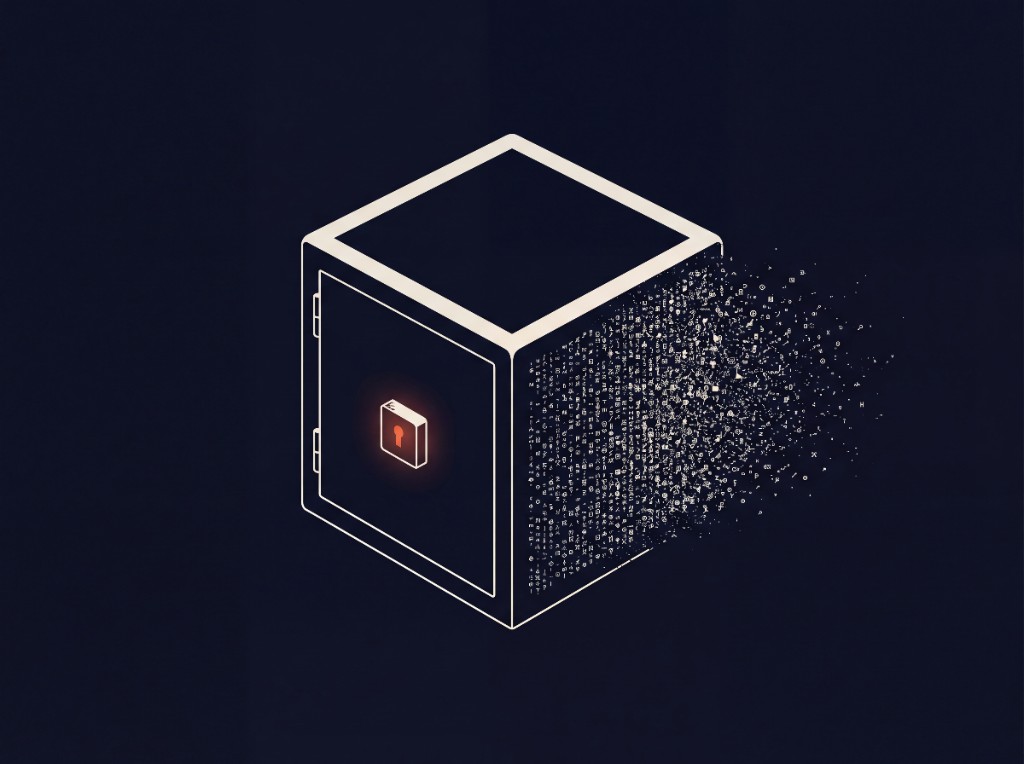
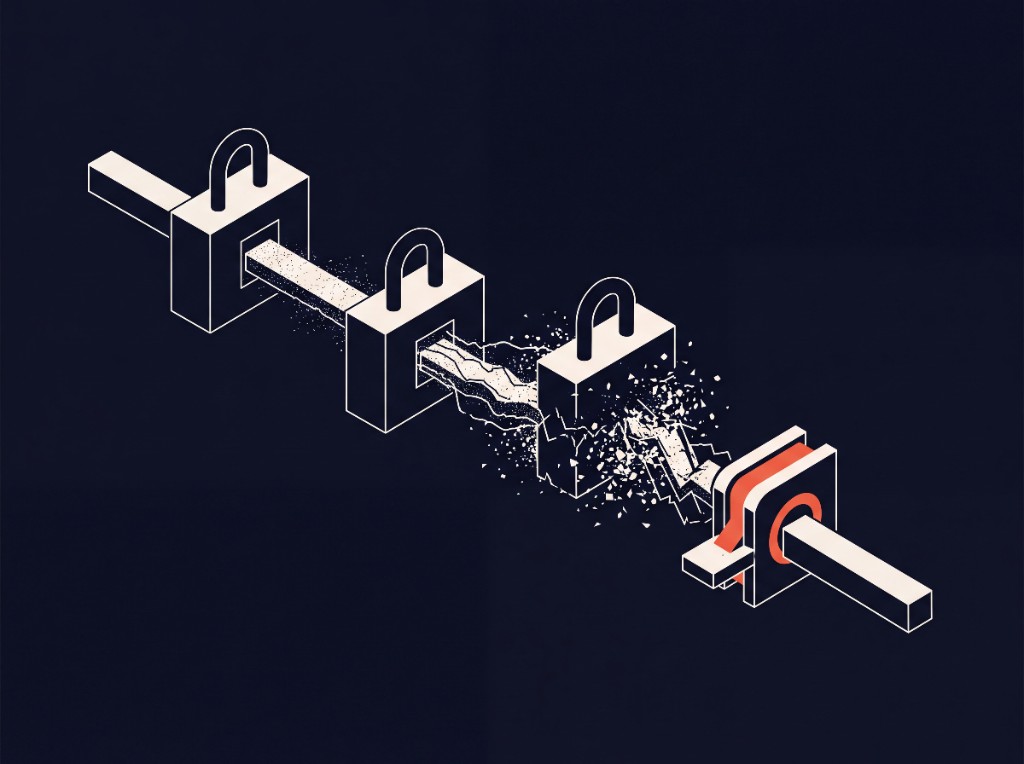
Locked cube dissolving into ciphertext symbols
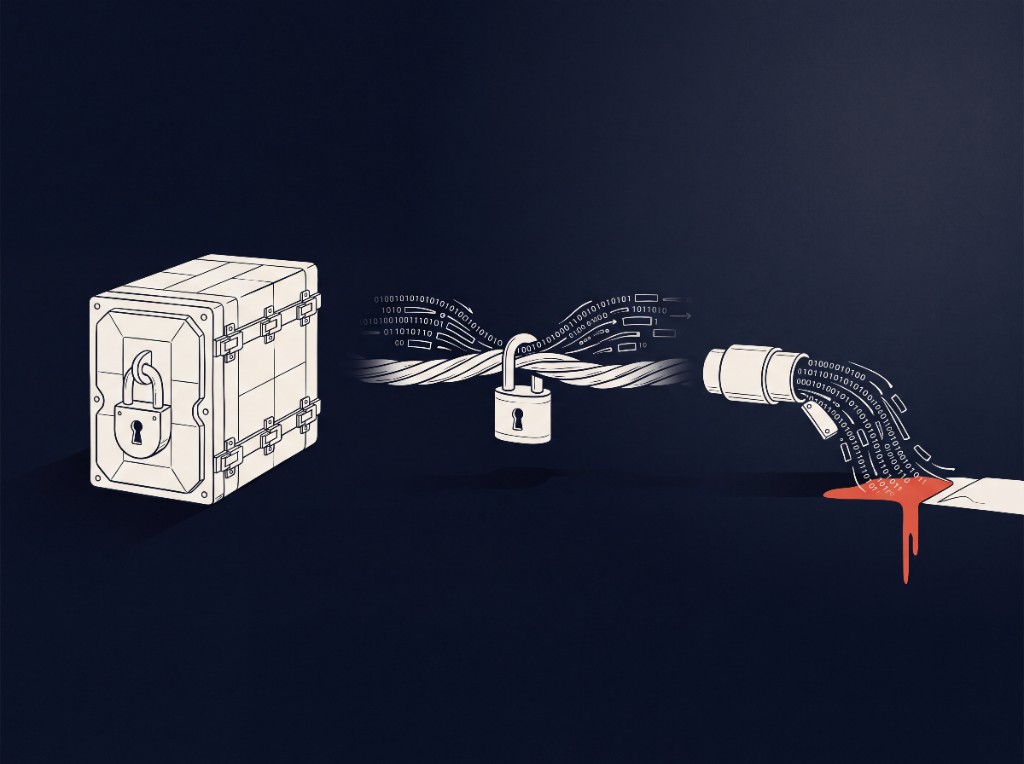
Locked chest and cable leaking plaintext at the point of use
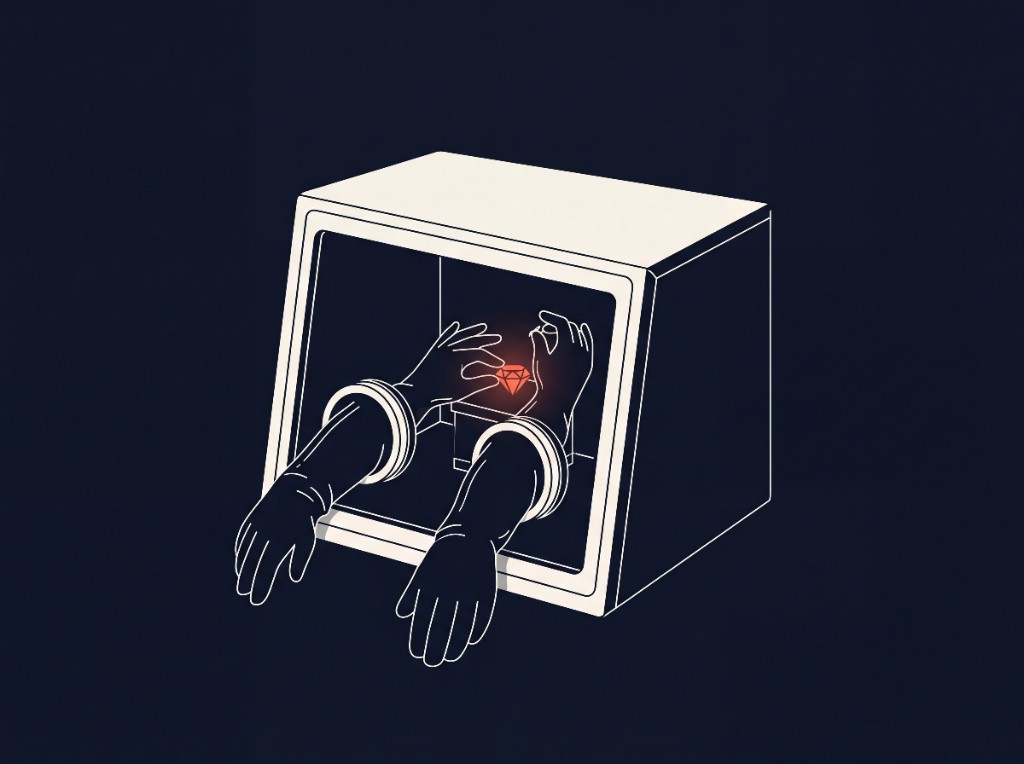
Glovebox with hands working on a jewel without opening the lid
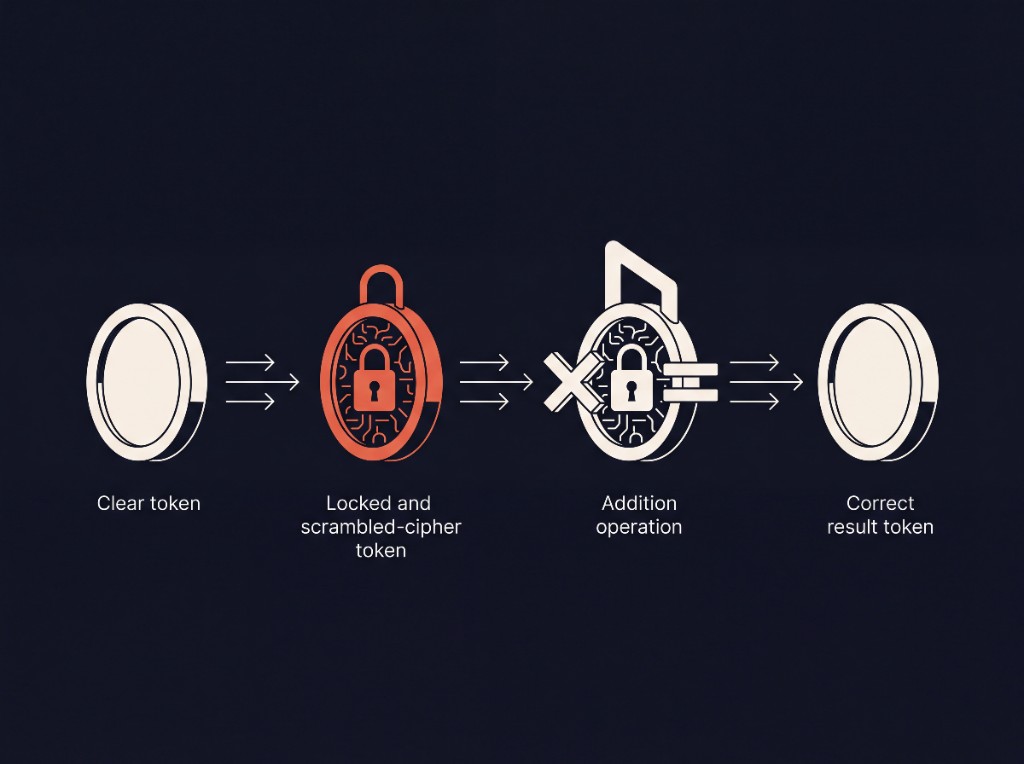
Clear token locked, added to, then decrypted to the correct result
Encrypted data shattering from noise, then restored by hardware
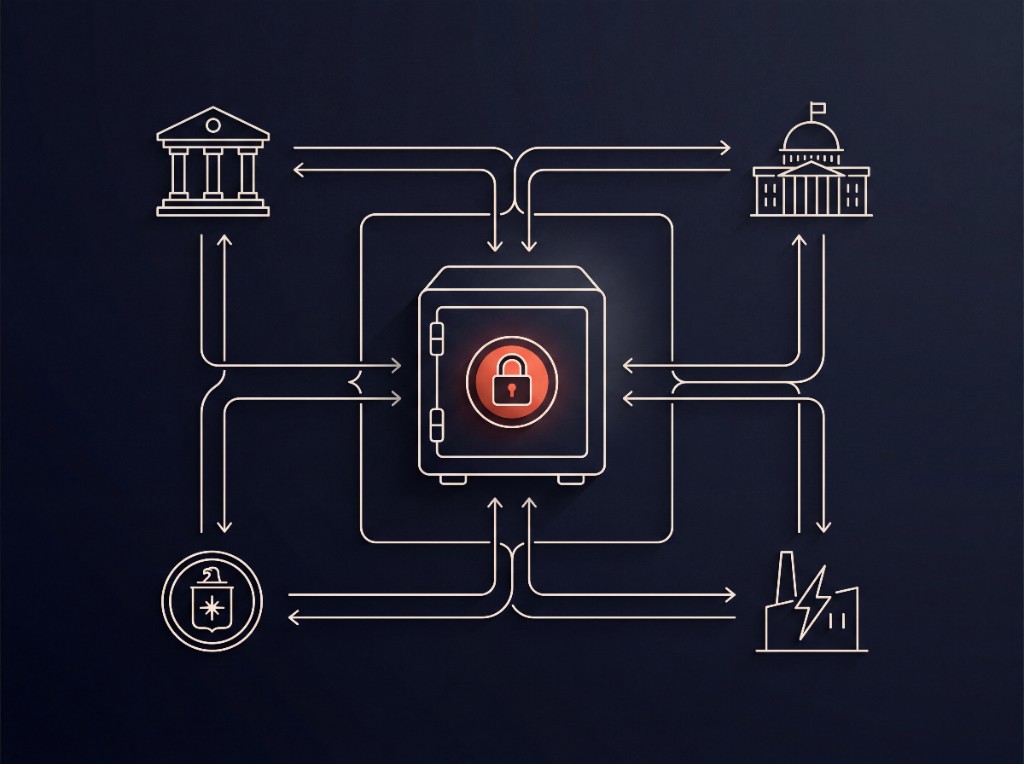
Banks, governments, defence, and utilities connected to a locked vault
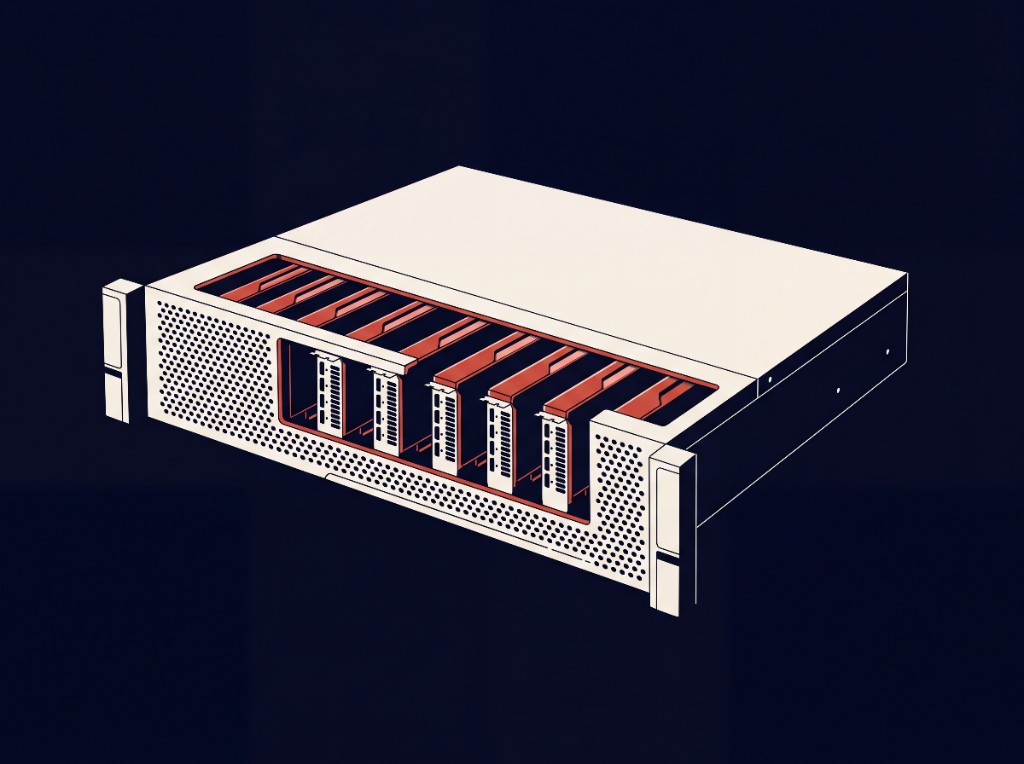
Rack server with accelerator cards for encrypted compute

Encryption you already trust

Steal the box. You get noise.

You already encrypt almost everything. Then you open it.

Encryption is old. A lock on a letter. A lock on a disk. A lock on a wire. WhatsApp, HTTPS, a laptop at rest: the same promise: if someone steals the box, they get noise.

That promise holds until you need the data to do work. Then the box opens. The query runs. The model reads the prompt. For a moment the useful thing is sitting in memory in the clear. That moment is where breaches, reviews, and declassification queues are born.

Disk and wire are solved. Use is not.

Data has three lives. At rest, on disk, it can be encrypted. In transit, on the wire, it can be encrypted. In use: the second you ask a question of it: it is almost always opened.

Call that the decryption gap: the moment useful data must be decrypted to be used. Every privacy review you have sat through is an argument about that moment. FHE is the idea that the moment does not have to exist.

Work on the jewellery. Leave the box locked.

Craig Gentry’s picture, from the first working scheme in 2009: a locked glovebox. You put jewellery inside. You put on gloves that reach in without opening the lid. You still do the work. You still get the piece you wanted. The box never opens. Credit: Gentry.

Homomorphic encryption is that box. The gloves are the algorithm. Fully homomorphic means the gloves can do any computation, not just one trick. Decrypt the result and it matches what you would have got by opening the files and doing the work in the clear.

Add eight. Never see forty-two.

Click through once. The number stays locked. The answer comes back right. That is the property: not a product demo.

  1. 42You
  2. ¶∂‡Lock
  3. +8Compute
  4. 50You

You hold a number

A balance, a score, a record: anything the server must not see.

A teaching model. Not a live FHE engine.

The gloves were too thick.

Software FHE works. It is slow because each locked operation adds noise, and eventually the scheme must pause to refresh: bootstrap: or the result is garbage. Production racks do not wait for a refresh after every useful step. That is why the idea stayed a paper and a slide.

Versus conventional lattice FHE, the operation-level gap is on the order of ~1000×. That axis is why software missed the rack.

Versus doing the same work in the clear, end-to-end overhead is ~50×. That axis is what a production system costs. They are not the same measurement.

Noise and bootstrapping, a little slower →

The prize is work you cannot run today.

A bank scores fraud without shipping customer files to a GPU cloud. A ministry answers a citizen without the model host reading the prompt. Two agencies correlate holdings without declassifying the source. A utility detects an anomaly without showing a vendor the setpoint.

None of that is a new kind of analytics. It is the analytics you already want, without the moment the files open. That is the potential: not a faster lock, a usable one.

The same idea, in each sector →

Umbra is the card that makes the cost payable.

ZipLogic did not invent the mathematics. Umbra is a PCIe accelerator that runs this at rack speed: 40,000,000 encrypted logic operations per second, measured, on the U100. No bootstrapping. No noise refresh by design. You hold the keys. The server inherits ciphertext.

Umbra does not claim to eliminate the cost of encrypted computation. It claims to have made that cost payable. Card figures are measured. Node figures are estimated.

The card → · Words we use · Further reading

See it in a rack you already own.